
Resources > PHMSA HM-268 Rules, Effective September 3, 2026
PHMSA’s HM-268 Rules, Effective September 3, 2026: What Changes for Hazmat Carriers
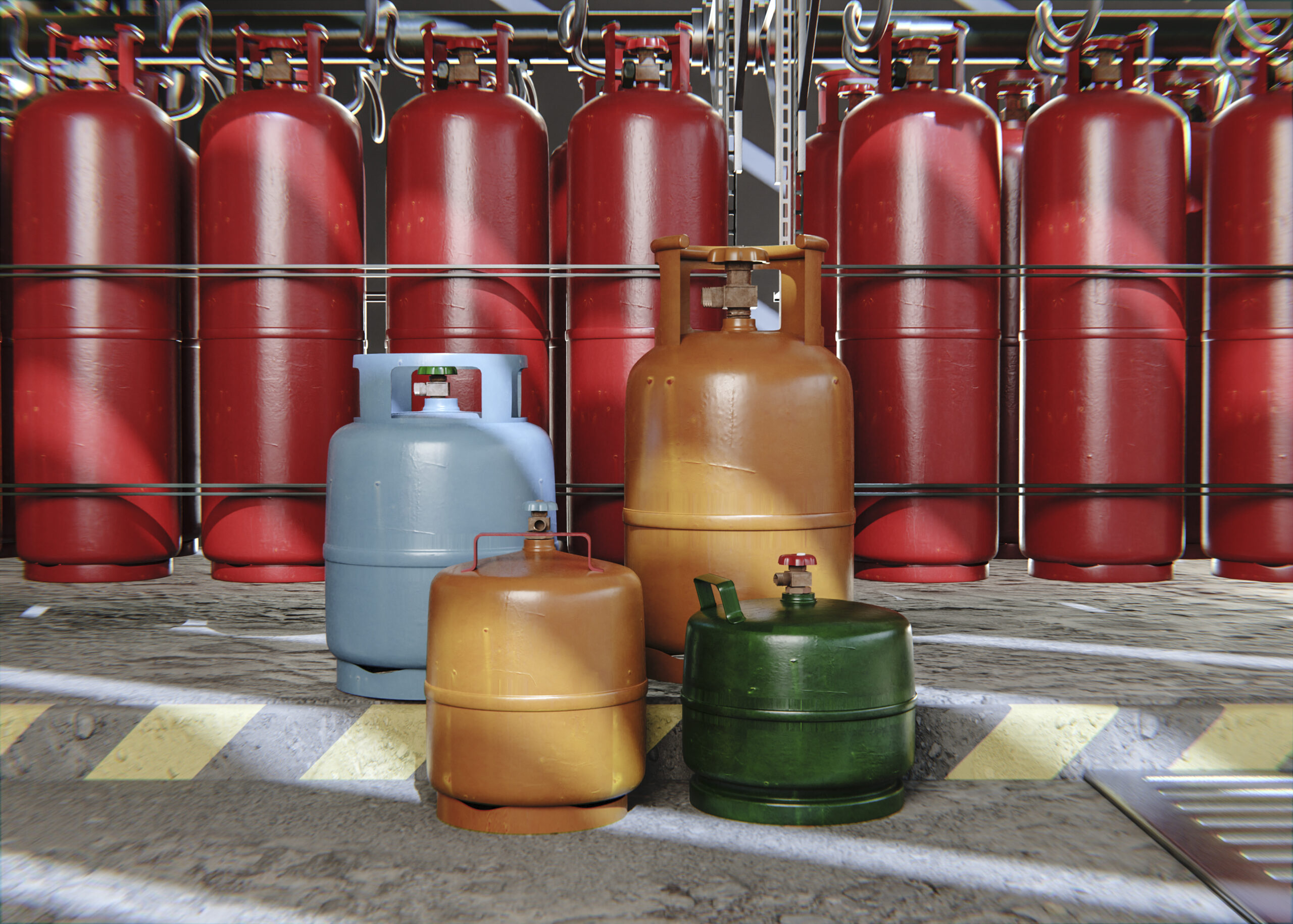
3D Rendering of Gas Cylinders / Source: Magnific
Key Takeaways
- PHMSA published 16 final rules on August 4, 2026, as part of its HM-268 deregulatory package, and most take effect September 3, giving carriers about a month to adjust.
- Of the 16, four have the most direct impact on trucking operations: limited quantity label sizing, discharging hazmat from packaging that stays on the vehicle, cylinder requalification intervals, and documentation for empty residue IBCs.
- This post covers those four in detail. There are additional HM-268 provisions not covered here (aerosol definitions, expired special permit packaging, refrigerating machine exceptions, and a lithium battery quantity increase) that may still apply depending on what you haul.
- None of these changes require a compliance overhaul, but a few need updated labels, documentation, or vendor conversations before the September 3 deadline.
PHMSA quietly dropped 16 final rules on August 4, 2026, most of them effective September 3. That’s a fast turnaround for carriers trying to figure out what actually applies to daily operations versus what’s a niche update for a manufacturer three steps up the supply chain.
The full package leans deregulatory, meaning PHMSA is mostly cutting outdated requirements and folding old special permits directly into the regulations. But a few of these changes touch things truck drivers and fleet safety officers deal with every week: labels, cylinder testing schedules, and paperwork on backhauled containers. Here are the four worth actually building into your procedures before the deadline, plus a rundown of what’s not covered so you know where to keep digging if it applies to you.
Limited quantity labels can now be smaller
HM-268B allows a reduced-size limited quantity (LQ) mark to be printed directly on the shipping label for domestic ground shipments, instead of requiring a separate, larger diamond marking on the package itself. If your fleet regularly hauls LQ freight, this is worth flagging to whoever handles your labeling, since it can simplify how packages get marked before they ever reach your truck. For drivers and safety officers, the practical takeaway is simpler: don’t assume every LQ shipment needs the old full-size diamond anymore. Both formats are valid, so pre-trip inspections and paperwork checks should account for either.
Discharging hazmat from packaging still mounted on the vehicle
HM-268L folds two previously separate special permits directly into the regulations. These cover discharging certain hazardous materials from qualifying packaging while that packaging stays mounted on the motor vehicle, the kind of setup used for bulk gas or liquid delivery. Previously, a carrier needed registered party status under the specific special permit to do this legally. Now that allowance lives in the HMR itself, so if your operation does tank or bulk container discharge from the vehicle, you no longer need to track and maintain separate permit party status to stay compliant. Worth confirming with your safety team that old permit paperwork gets retired properly rather than kept around out of habit.
Cylinder requalification stretches from 5 years to 10
This is likely the change with the broadest impact on fleets running gas cylinders, propane bundles, or similar pressure vessels. HM-268O incorporates a special permit authorizing a 10-year requalification interval, up from the standard 5 years, for DOT specification 3A and 3AA cylinders in flammable and non-flammable, non-poisonous gas service. The catch: cylinders only qualify for the extended interval if they’re tested using ultrasonic examination or hydrostatic testing methods. Before you count on this savings, confirm with whoever requalifies your cylinders that they actually use one of those two methods, and make sure your internal tracking reflects the new interval so cylinders aren’t pulled for testing five years early out of old habit.
Empty IBCs with only residue need a new document
HM-268P creates an allowance for empty intermediate bulk containers (IBCs) that contain only hazardous material residue, a very common scenario for carriers backhauling totes to a reconditioning, remanufacturing, requalification, disposal, or repair facility. The rule permits lighter handling for these containers, but only to those specific destination types, and only when the shipment is accompanied by a document, paper or electronic, that specifically states “Residue IBC(s).” If your fleet handles tote backhauls, this is the kind of thing worth building into your standard paperwork now. Skip the documentation and you lose the exception entirely, which turns a routine backhaul into a compliance problem during an inspection.
What’s not covered here
The four changes above are the ones most likely to show up in day-to-day trucking and fleet operations, but they’re not the whole HM-268 package. PHMSA also finalized rules on the definition of aerosols for shipping purposes, extended usable life for packaging made under expired manufacturing special permits, an expanded exception for refrigerating machines with low-flammability refrigerants, and an increase to the lithium battery quantity allowed under the Materials of Trade exemption. None of those are likely to affect a typical hazmat carrier the way the four above do, but if your operation touches aerosol products, specialty packaging, refrigeration equipment, or field technicians carrying batteries as tools of the trade, it’s worth digging into those separately rather than assuming they don’t apply.
Before September 3
A few practical steps to close out before the deadline:
- Update labeling procedures to accept both the old and new LQ marking formats.
- Confirm whether your fleet uses any packaging covered under the discharge-while-mounted allowance, and retire any special permit party paperwork that’s no longer needed.
- Call your cylinder requalification vendor and confirm they use ultrasonic examination or hydrostatic testing, then update your tracking system to reflect the extended interval where it applies.
- Build a “Residue IBC(s)” documentation step into your process for any backhauled totes containing only residue.
- If your operation touches aerosols, specialty packaging, refrigeration equipment, or battery-carrying field technicians, review the additional HM-268 provisions separately.
None of this requires a compliance overhaul. But with a one-month window between publication and the effective date, the safer move is reviewing your own operation against these changes now rather than finding out which ones apply during an inspection.